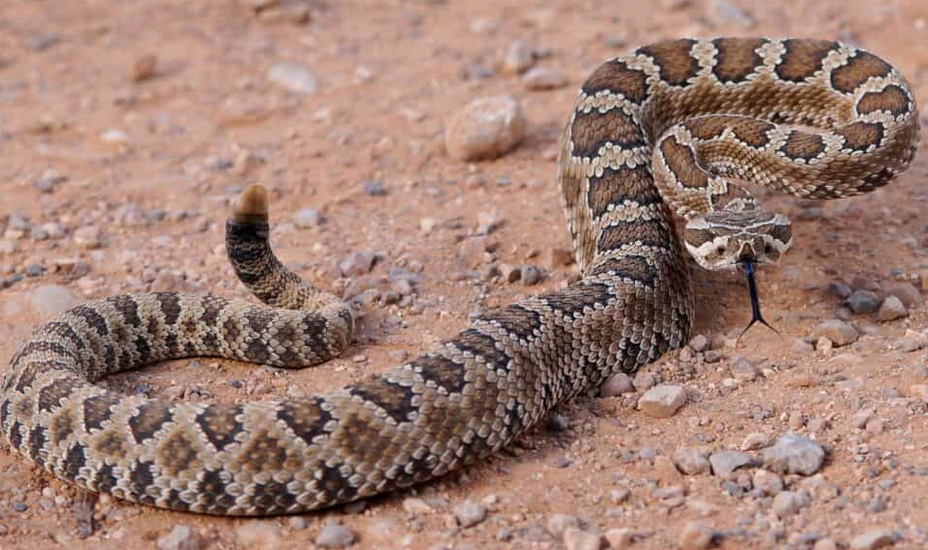
 Did you know that Benjamin Franklin admired timber rattlesnakes? Yep, one of America's Founding Fathers thought that rattlesnakes embodied uniquely American diplomacy and toughness.
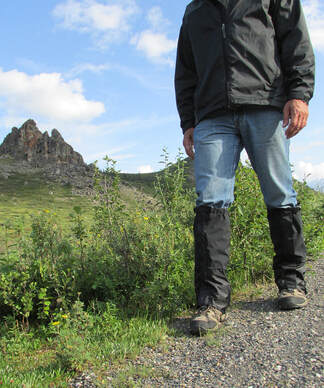
“She never wounds till she has generously given notice, even to her enemy, and cautioned him against the danger of stepping on her,” he wrote in a Pennsylvania newspaper in 1775. “Was I wrong, Sir, in thinking this a strong picture of the temper and conduct of America?” He also noted that, like all snakes, timber rattlers don’t have eyelids, which made them naturally watchful. “She may therefore be esteemed an emblem of vigilance,” Franklin wrote. Rattlesnakes later became symbols of America’s war for independence. Christopher Gadsden, a colonel from South Carolina, designed a personal flag to be flown on five ships belonging to the Continental Army. The bright yellow banner sported a coiled rattlesnake emblem and the caption “Don’t Tread on Me.” It remains popular today among those who advocate for smaller federal government. About 7,000 to 8,000 people are bitten each year by snakes, but thanks to effective antivenins, most do not prove fatal. Even so, bites are extremely painful, require immediate medical attention, and each vial of snake antivenin costs thousands of dollars! The average snake bite victim requires anywhere from a few vials to dozens of them — it depends on factors like the size of the patient, the potency of venom in the bite and how quickly the patient is treated. The more antivenin needed, the higher the cost— and insurance often doesn’t cover much of it. Don't take a chance! Durable, protective snake gaiters for your lower legs can be the best defense against rattlesnakes, copperheads, and other pit vipers.
“Usually lots of rain creates a lot of foliage,” said a wildlife enthusiast in New Mexico. That extra foliage, “brings out more rabbits, which multiply, and rodents and packrats, and that usually means you’ll see more rattlesnake activity — because of the food source.” Rain plays a big factor in drawing out rattlers, but warmer temperatures in the 80s and 90s help as well. “When it warms up, that brings them out, gets them in the sun and more active,” he said.
Rattlesnake season generally runs from April through October, according to the Poison and Drug Information Centers in most states. But the peak month is August, when high temperatures and heavy rainfall can beckon them from their dens. In addition, snakes are no different from people in one regard: They flee flooded areas. And when that happens, there is a chance snake activity would increase. Citing a 2020 Journal of Environmental and Public Health report: “The potential for human/pet/snake encounters likely increases with increased snake and human activity during the summer months. There is some evidence that increased incidence of snakebites following flooding events does occur.” A 20-year study conducted by researchers at the Stanford Health Care and the University of Colorado, found from 1997 to 2017, every 10 percent of increase in rainfall over the past 18 months led to an increase in snake bites by 4 percent in all California counties. An emergency medicine specialist who was one of the researchers for the study, said that the report shows there is “a really strong association — almost a predictor — of snake bites based on weather and the climate.” That does not mean a season of heavy rainfall will immediately lead to a season of heavy rattlesnake activity. That may be because the correlation of heavy rainfall to more rattlesnake activity may take a year or two to develop. But if it increases snake activity, it increases mating practices among them, which means a larger snake population, which could then go on to bite people. The report also noted encounters between humans and rattlesnakes, and thus the number of snakebite reports, dropped during extreme periods of drought, when less water and food are available. Snake bites are usually not deadly, but they can cause extreme pain, illness and loss of limbs. If a rattlesnake does bite you, don’t panic, say experts. They advise to call 911 if possible and/or get to the nearest medical center. If the bite occurred on the hand, remove any rings or finger jewelry. Things on the don’t-do list include: Do not apply a tourniquet to the bite area. Do not try to suck or cut out the venom. Do not try to capture the snake. If more rain than usual is expected in your area, accompanied by higher than average temperatures, that means the rattlers will likely stick around to soak up some sun and get three square meals a day. So just be more aware when in the woods or desert— or even in your own backyard and outbuildings if your property is in snake country. Also keep in mind that even when the snakes decide to hibernate, weather has an effect. The first cold snap is an indicator that snakes are heading back to wherever they can find a den. Snake bite prevention is key. The best way to avoid a snake bite is to wear snake boots or snake gaiters or snake leggings and be observant of your surroundings.
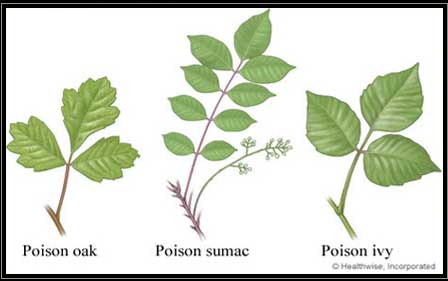
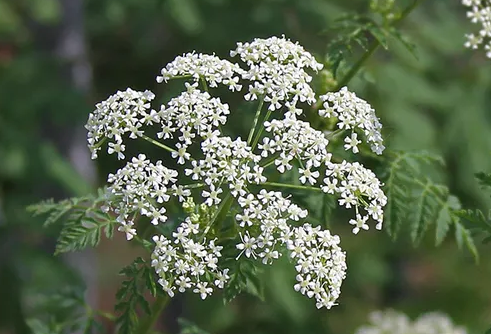
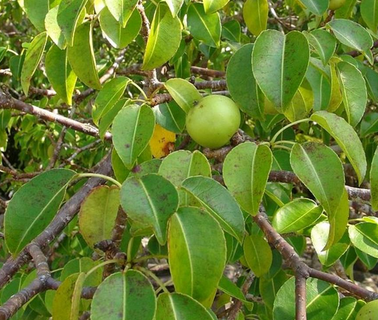
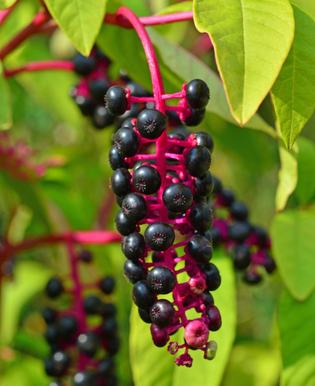
If you’re planning a hike, some basic protections can go a long way toward reducing exposure to all of these poisonous plants. First, stay on marked paths, which also helps with forest conservation. Long sleeves, pants, washable leg gaiters, and boots can protect against the sap and oils coming into contact with your skin. Upon returning home, you should wash yourself, your clothing, and any pets with soap and water. Oils can stay on clothing or pet hair and cause a reaction. Cleaning can remove plant oil before it causes a bad reaction or rash.
Most people don’t realize they have been exposed to a poisonous plant until a red rash appears on the impacted area a few days after a hike. At that point, antihistamines, lotions, or creams to relieve symptoms are the best course of treatment. Seek medical attention if symptoms become severe or long-lasting (high temperature, difficulty breathing, skin blisters or rashes that don’t heal).
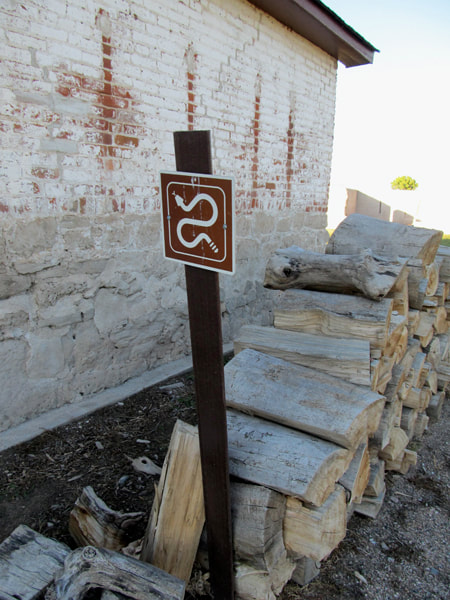
Recently, a victim in San Bernardino County, California was tidying up a wood pile in his back yard. He reached for a log and felt a sudden burning sensation in his arm. Not two weeks later, also in southern California, another man building a firewood pile on his property was bitten by a juvenile snake, later identified as a highly venomous Southern Pacific rattlesnake. Storing firewood to avoid snakes is really easy. For the most part, all you need to do is elevate the woodpile one or two feet off the ground so that the snake has limited access to the pile in the first place. You can do this using cinder block or a wooden rack (pallets are good and also allow for drainage). Without legs, snakes have more difficulty reaching higher surfaces. Also, you might consider placing a tarp over the pile. All firewood should be stored at least five feet or more away from the foundation of your home and away from trees. When working outdoors this spring, be sure to wear protective gloves and remember to also protect your lower legs from snake fangs with snake gaiters. A pair of gaiters is an an easy and inexpensive safety precaution when working in snake habitat.
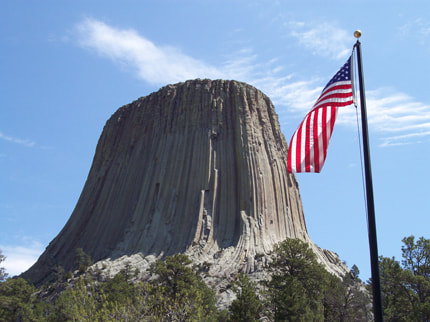
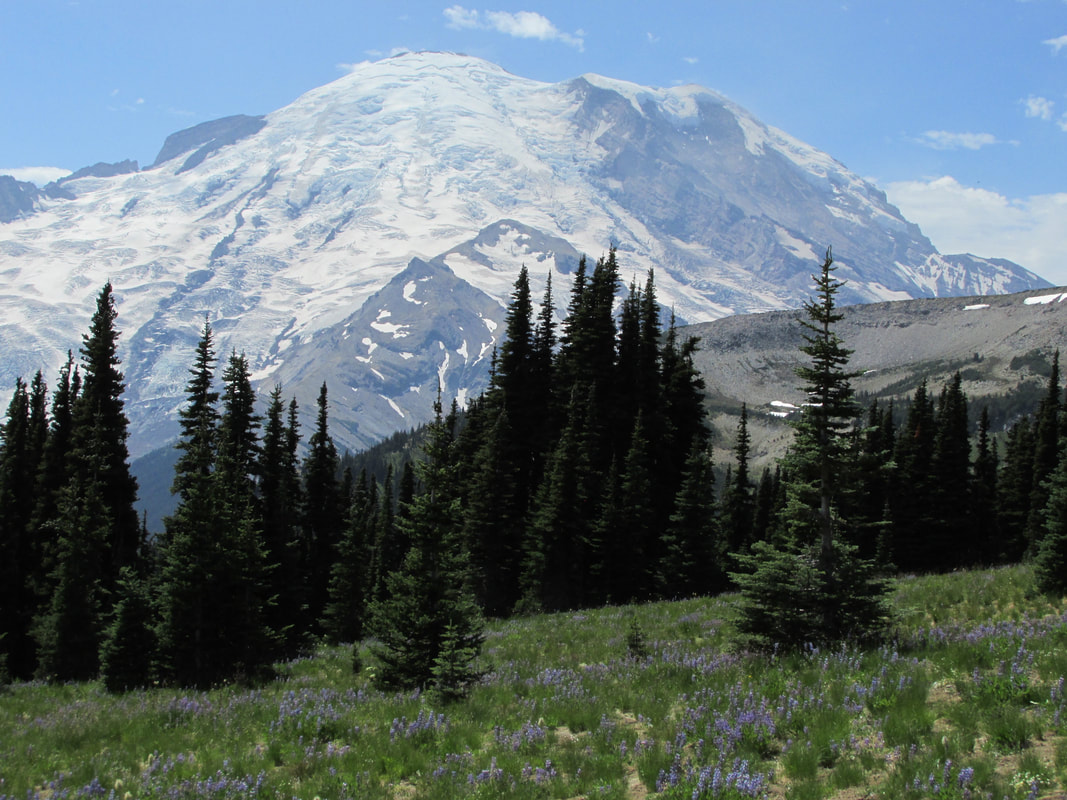
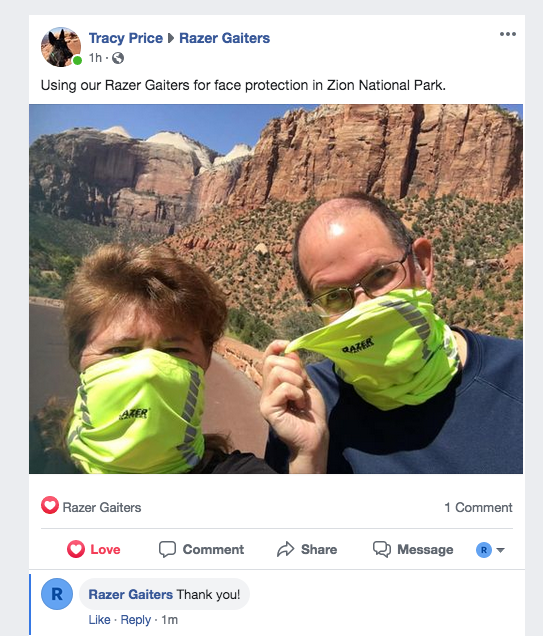
veterans. In addition, every national park is part of the collective identity that defines who we are and where we came from as a nation. They are tactile reminders of the values, the ideals, and the freedoms that our veterans protect. If you’re looking for a new place to hike and/or an opportunity for a fun road trip before the snow flies this season, you can enjoy FREE admission to all of the USA’s national parks in honor of Veterans Day. Park properties also include monuments, lakeshores, seashores, and recreation areas. That's a lot of scenic places to enjoy the great outdoors, so don't forget your hiking gaiters! Out of the 423 units in the National Park Service, only 108 parks regularly charge an entrance fee, but if you want to visit a popular park for free that normally does charge, now is your chance. The fee waiver includes entrance fees, but not charges for reservations, camping, tours, concessions and fees collected by third parties. Once you arrive, make your first stop the park visitor center to pick up maps and guides and for the latest information on everything from road conditions and ranger programs to hiking trails and campgrounds. As you might expect, millions of people visit national parks each year, and especially in 2021 now that folks are traveling again following Covid-19 lockdowns and closures. If you’re looking for travel ideas (or want to avoid crowds), these are the top 10 most visited national parks as of 2020: 1. Great Smoky Mountains National Park, Tennessee/North Carolina 2. Yellowstone National Park, Wyoming/Montana/Idaho 3. Zion National Park, Utah 4. Rocky Mountain National Park, Colorado 5. Grand Teton National Park, Wyoming 6. Grand Canyon National Park, Arizona 7. Cuyahoga Valley National Park, Ohio 8. Acadia National Park, Maine 9. Olympic National Park, Washington 10. Joshua Tree National Park, California America’s national parks have something for everyone— 84+ million acres of spectacular scenery, historic landmarks, and cultural treasures. Take a break and experience some place new, watch wildlife (but watch for snakes!), enjoy some fresh air, and get a little exercise. And, since admission is FREE to all 423 park properties on November 11, 2021, now is a great time to get up, get out, and explore while saving money. Please know that as of this writing, masks are required in all national park service buildings and on all forms of enclosed public transportation, regardless of location or vaccination status. Keep in mind that a Razer Neck Gaiter makes for a cool and useful face covering. Enjoy FREE admission to all of the USA’s National Parks
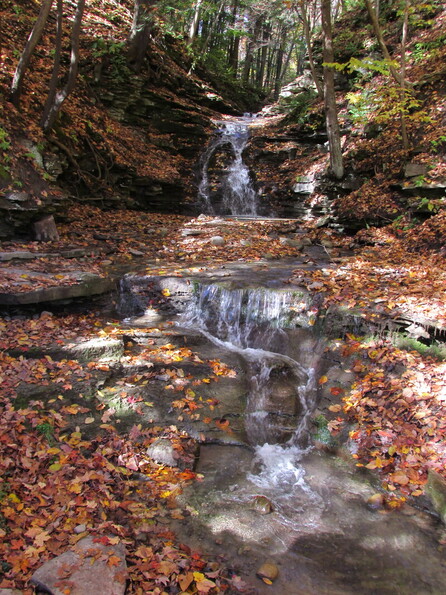
Because of the strong interest in getting away from it all, campground reservations have been hard to come by, especially at established sites in national parks and state parks. It’s much easier to find a remote spot in the middle of the woods if you’re completely self-sufficient, but not everyone wants to give up a restroom, water, and cell service. No matter what appeals most to you— bare-bones car cmping or for-pay campgrounds with amenities and services— autumn is a quieter time to enjoy the great outdoors. If you weren’t able to find a campsite this summer, the fall season could provide a respite with fewer crowds. Camping in the fall is great way to extend your outdoor adventures into the cooler months, while enjoying some gorgeous fall scenery. The key to camping when the weather might be less predictable, is having the right equipment and being prepared. • Always check the forecast ahead of time specific to the parks or campgrounds you plan to visit. Remember that warm weather can turn quickly. Depending on where you’re going, you should always be prepared for all kinds of weather. • Buy a good three-season tent. You’ll want one that has a full rain fly to keep moisture out. Always bring a tarp or tent footprint to place underneath your tent to protect from moisture seeping in. Also, consider bringing an extra tarp to set up over the top of your rainfly. • Bring a sleeping bag that protects against temperatures lower than you expect. There's nothing worse than freezing through the night. Mummy sleeping bags are best for keeping you warm because they cling closer to your body. Most of them come with a hood that surrounds your head to capture heat that would otherwise escape. A sleeping pad is critical to insulating your body from the cold earth. Get a good closed-cell pad and double it up with another foam pad if needed. In terms of heat retention, this is one of the most important things you can do to stay warm at night. • Layering is the key to staying comfortable while camping in fall. You’ll want to start with a base layer, such as wicking thermal underwear to keep moisture away from your skin. Then add a layer for warmth, and finally a breathable, windproof outer layer to keep heat from escaping. Wool, fleece and synthetic materials will help keep you warm and dry. Avoid cotton clothing. Always change out of wet clothing as quickly as possible. Bring extra clothing, footgear and mittens, so that you always have dry back-ups. You might also consider a pair of winter gaiters to keep the rain or snow out of your boots or off your lower legs. • Cooking times are longer in low temperatures, so leave more time for cooking. Along with longer cooking times, you’ll need more fuel than you would in summer. Easy-to-prepare or one-pot meals are ideal. So are hot beverages to sip on throughout the day. Keep yourself well hydrated and nourished as this will help your body stay strong against the elements. • Wildlife are often engaged in fall mating rituals, so be careful to respect their space. Some animals can be more aggressive as winter nears, so beware of bee hives and be sure to eliminate trash from your campsite to avoid attracting bears and other animals. As always, never leave food in your tent. Use a bear can, hang your food from a tree, or put it in the trunk of your car at night. Keep in mind that in some areas, rattlesnakes can be active well into November if the weather stays mild, so remember your snake gaiters. • If you visit a backcountry area, bring a GPS device, compass and/or map. And b sure to notify friends and park officials where you plan to go and when you plan to return. A little nervous about fall camping? Don't fret. With a little extra preparation, you can secure plenty more time to make memories well into the autumn season. Enjoy these fall camping tips
Out of the 423 units in the National Park Service, only 108 parks regularly charge an entrance fee (ranging from $5 to $35 per vehicle), but if you want to visit a popular park for free that normally does charge, now is your chance. The fee waiver includes entrance fees, but not charges for reservations, camping, tours, concessions and fees collected by third parties. Once you arrive, make your first stop the park visitor center to pick up maps and guides and for the latest information on everything from road conditions and ranger programs to hiking trails and campgrounds. If your summer plans are already committed, there will be two more opportunities to get free admission to national parks this year: September 25: National Public Lands Day National Public Lands Day is the nation's largest hands-on volunteer effort to improve America's public lands. NPLD began in 1994 with three federal agencies and 700 volunteers. Since then thousands have volunteered to lend a hand across the nation. November 11: Veterans Day Veterans Day was originally known as Armistice Day, marking the anniversary of the ending of World War I at the eleventh hour, on the eleventh day, of the eleventh month in 1918. On June 1, 1954, the name of the holiday was changed to Veterans Day to honor those who died in all American wars. As you might expect, millions of people visit national parks each year, and especially in 2021 now that folks are traveling again following Covid-19 lockdowns and closures. If you’re looking for travel ideas (or want to avoid crowds), these are the top 10 most visited national parks as of 2020:
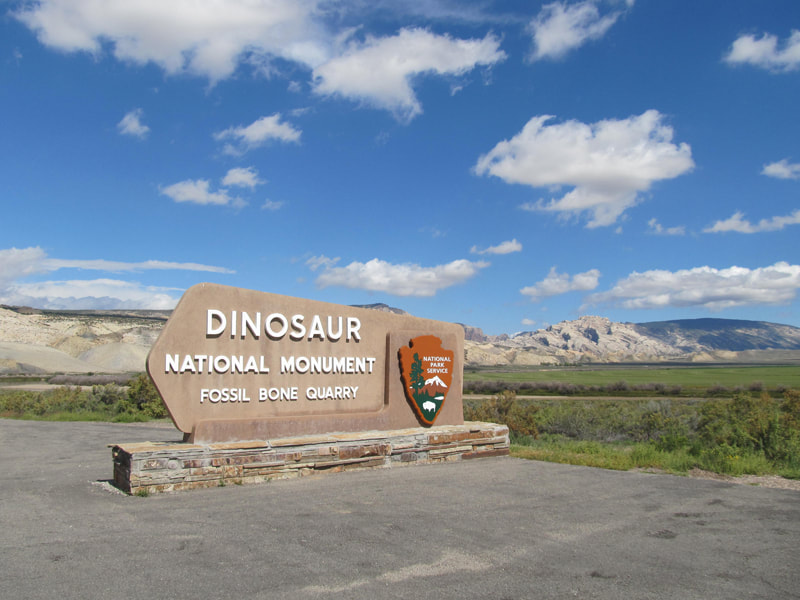
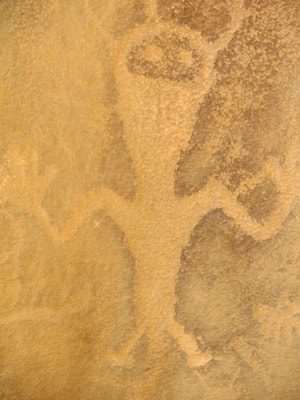
The Fremont People farmed corn, beans, and squash in addition to following a mostly hunter/gatherer lifestyle. They often occupied their dwelling sites for only part of a year, following the mule deer, bighorn sheep, and water sources as necessary. As you view the different human-like figures, animal-like figures, and abstract designs, you’ll notice that a “Classic Vernal Style” predominates in Dinosaur National Monument. Human figures typically have trapezoidal bodies, often with elaborate decorations such as headdresses, earrings, necklaces, and shields. The animal figures include recognizable bighorn sheep, birds, snakes, and lizards. Purely abstract or geometric designs also are common. If you decide to do much hiking in the back country, know that the only poisonous snake found in the monument is the midget-faded rattlesnake, a subspecies of the western rattlesnake, so wearing snake gaiters is a good idea. Many plants, including cactus, greasewood, Russian thistle, and others can scratch, stick, or otherwise be dangerous, so regular hiking gaiters are also a good option to protect your lower legs. Of course the million-dollar question is what do the glyphs mean? Many theories exist as to their original significance and purpose, but no one really knows for sure. Some believe the images are important battle records or calendars, or perhaps directions to water or food sources. Others dismiss them as the prehistoric equivalent to graffiti. We may never know the meaning of the glyphs with any certainty, but everyone can agree that these rare images are special and should be protected. Please do not touch! For more information, visit the Dinosaur National Monument website. Enjoy the Glyphs at Dinosaur National Monument
No matter where you go, make sure to check local conditions and weather forecasts before your hike. Do not assume that weather and trail conditions will be OK or easy. Think conservatively and make sure you will be hiking in conditions comfortable for you. Summer and early fall are generally the best time to hike in the mountains because winter snow can bury most higher elevation trails from around October into early July. Temperatures and trail conditions in low-lying areas are most pleasant in spring and fall. To conserve your energy and be more comfortable, avoid the hottest time of day if you can— usually 11 am to 3 p.m. Always let someone know where you are going and when you expect to be back. Remember that cell phone service may not be available in back country areas. Gather Supplies and Proper Equipment. When considering what to stuff into your day pack, let common sense be your guide and include at least these 10 essentials: map, compass, flashlight, knife, water, food, clothing, first aid kit, matches/firestarter, sunglasses. Carry your things in a pack that fits you well and watch the amount of weight in the bag to avoid back, shoulder or neck strain. Be sure to wear comfortable socks and shoes that you’ve already worn a few times to avoid any lower extremity aches, pains and blisters. Trekking poles might be helpful for hiking on rocky trails. Hiking gaiters can keep your pant legs dry and free from briars and thorns. If you’ll be in snake country, snake gaiters can help provide protection and peace of mind. Keep lower legs warmer and dry with fleece-lined snow gaiters if you're hiking in wintery conditions. Don’t forget water for your furry friend if you bring them along. Although trails might seem to be dog friendly, check local regulations to be sure, and always carry a leash. Listen to Your Body. Stay hydrated and take breaks. Remember to progress your activity levels safely and appropriately to avoid any “weekend warrior” injuries. There’s plenty of spring/summer time to start off with easier trails and work your way up. Also take along a sense of humor and a positive attitude. That way if you hike doesn’t go as planned, you’ll keep your sanity until the situation improves. Remaining calm and level headed is important in a serious situation and being able to laugh it off later is just as important. Hiking is an activity that can be done year round. Deciding what season and time of day is best for you to go hiking will totally be up to you, your schedule, and simply what sort of climate and terrain you would like to hike in. Once you have decided and prepared, go for it! Take advantage of all that the great outdoors has to offer. Have fun! Get outside and hike!
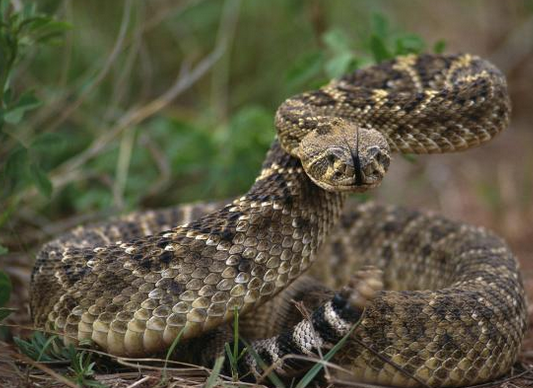
Keep in mind that snakes of many species are done hunkering down now that the weather is warmer, making human encounters more likely with ALL types of snakes. You might even see snakes in more northern areas where you’ve not seen them before. “It may have something to do with climate change,” says a wildlife ecologist. “There has been a lot of range expansions of a lot of animals and plants with climate change, and if that continues, they may end up moving north.” To avoid accidental encounters with snakes, watch where you place your hands and feet when roaming fields and woodlands, especially in rocky areas. Most bites occur by accidentally stepping on or near a snake and startling it. Wear snake gaiters to protect your lower legs. Poisonous pit vipers such as copperheads and rattlesnakes have triangular heads, vertical pupils, and prominent heat-sensing pits between the eyes and nostrils. These characteristics can be difficult to see from a distance, but don’t take a chance — keep your distance. If the snake is within five to six feet of you, make slow movements and move in the opposite direction of the snake. Though copperheads are more common and widespread than rattlesnakes, their bite is much less dangerous. That’s because copperheads are smaller, they deliver less venom, and their venom is weaker than rattlesnake venom. Generally, rattlesnakes are considered the most venomous and the most likely to cause death. Treat any snake bite seriously whether you know for sure what bit you or not! Keep calm and get to the nearest hospital as quickly as possible. If you are bitten by a snake, the Mayo Clinic advises: • Call 911 immediately or get yourself to a hospital as quickly as possible. • While waiting for medical help, stay calm and position the body so that the bite is at or below heart level. • Remove jewelry or tight clothing before swelling starts. • Do NOT apply ice or a tourniquet on or near the bite. • Do NOT cut the wound or attempt to suck out the venom. • Do NOT drink caffeine or alcohol, which could speed the body's absorption of venom. Did you know that not all snakebites are equal? Some snakes deliver a bite with a small amount of venom and others can deliver a great deal. So-called dry bites contain no venom at all. If you are bitten, even if it doesn’t feel worse than a bee sting at the time, you won’t know how much or how little venom was injected, therefore, it’s imperative you get immediate medical attention. Don’t apply ice, don’t use a tourniquet or constricting band, and don’t attempt to suck out the poison. Constricting blood vessels near a bite can lead to amputation. According to a recent report, a person who suffers a bite from a venomous snake could wind up paying upward of $50,000 in medical bills due to extended hospitalization, treatment for tissue damage, and antivenin treatments. Get to an emergency room as quickly as possible to ensure the best possible outcome! If you’re wondering how to deal with snakes you might find in your own backyard, keep in mind that nonpoisonous snakes are harmless. They eat mice, rats, and other pesky rodents you don’t want around. Having them near the house is a good thing. When disturbed, these harmless snakes usually just slither away. They prefer to avoid contact with humans. Because you never know what type of snake you might encounter, wear gloves when weeding ground cover around the house. If you know rattlesnakes and other venomous snakes are in the area, wear snake gaiters to protect your lower legs, and leather gloves to protect hands when working outdoors. In general, rattlesnakes are most active from March through October. In the spring, they are active during daylight hours. As days become increasingly hot around early May, rattlesnakes become more active at night and spend the day in a spot of shade or a cool shelter. Don’t take a chance! Be vigilant and take precautions to be safe— whether that be in the desert or the woods. Prevent snake bites this spring. |
RAZER GAITERS
 RSS Feed
SNAKE GAITERS SNOW GAITERS TRAIL RUNNING GAITERS HIKING GAITERS NECK GAITER / FACE MASK CANVAS TOOL BAGS
|
Company Mission: To provide the best quality gaiters that keep you safe and comfortable on all your outdoor adventures.
Copyright ©2018-2024 |

|